
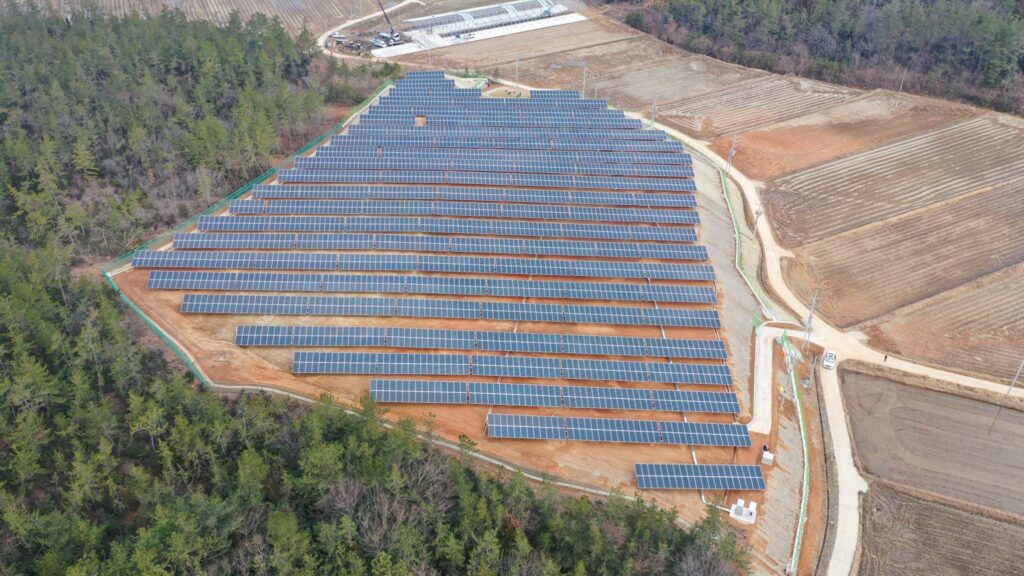
Ground Mount Solar Mounting for Africa Sites

Hot-dip galvanized steel and aluminium structures for open-field arrays — from C&I ground plants and mini-grids to utility-scale and agricultural sites.

Foundations start from the ground

The structure and the foundation are sized together, from what is actually under your site.

Two material series

Hot-dip galvanized carbon steel as standard, or aluminium where weight and corrosion matter more.

Fixed tilt 10°–30°

Custom tilt up to 35° available on request.

Local support

Lagos-based team with nationwide supply and ECOWAS export.

The structure is the simple part. The ground is not.

Nigeria’s subsoil changes from site to site. Studies of foundation soils here report lateritic soils in some locations and low-to-medium plasticity silty clay with thin clay-and-sand intercalations in others. The ground you are standing on is not the ground the next project is standing on.

That matters because the foundation is the one part of a ground-mount system that cannot be corrected after the fact. A structure can be adjusted. A pier cast in the wrong place, or a pile that will not hold, means rework on site — and that is where ground-mount budgets go wrong.

So we do not start from a standard drawing. We start from what is actually under your site.

  • Every site has different subsoil

    Lateritic soil in one location, sandy clay or layered clay-and-sand in another. The bearing behaviour is not the same.

  • A default foundation detail gets reused

    It worked on the last plot, so it is assumed to work again. Nothing on this site has been checked.

  • The ground does not match the drawing

    The pile meets refusal, the excavation fills with water, or the soil simply will not carry the design load.

  • Rework on site

    Re-drilling, re-pouring and re-scheduling — on a project where the structure is usually the cheapest line item.

Start from the ground, not the drawing
We size the structure and the foundation together, from the subsoil and the site — not from a template.

Five variables decide your structure

Send us what you know and we will size the rest.

Soil & foundation

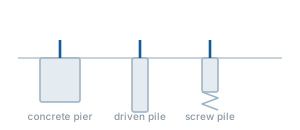
Concrete pier, driven pile or screw pile — per site investigation.

about

Material series

Hot-dip galvanized carbon steel or aluminium.

about

Tilt angle

10°–30° fixed; up to 35° on request.

about

Wind zone

Designed for the wind zone at the project location.

about

Module format

60/66/72/78-cell and 182/210 mm panels, landscape or portrait.
Not sure what you need?

Land size, module type and quantity is enough to start.

Two decisions that set your design

about

Foundation type

Concrete pier, driven pile or screw pile — selected from the subsoil and the site, not from habit.
about

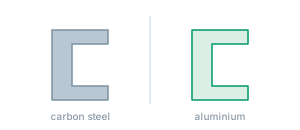
Material series

Hot-dip galvanized carbon steel as standard; aluminium where transport weight and corrosive conditions matter more.
Technical specifications

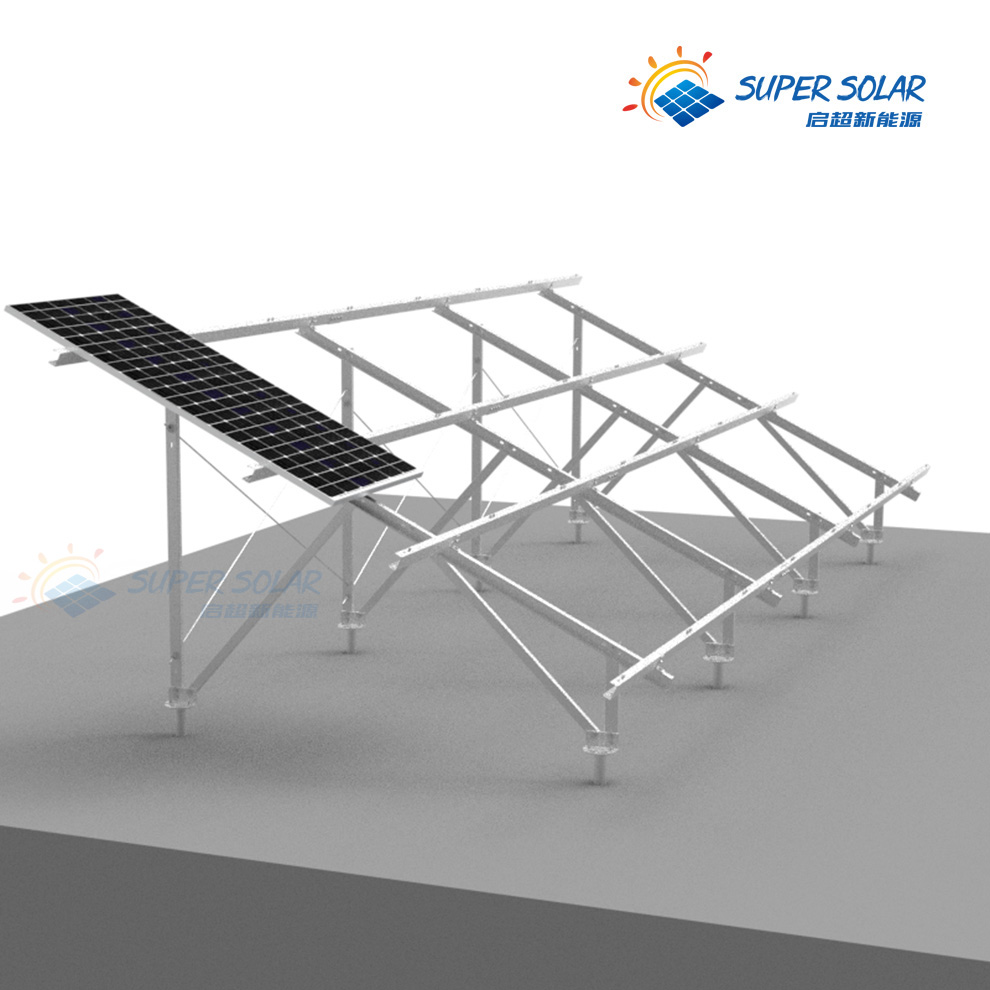
Confirmed values for our standard ground mount system.

ParameterSpecification
Structure materialHot-dip galvanized steel Q235B / Q355B
CoatingHot-dip galvanizing ≥ 80 µm (ISO 1461)
Rail materialAluminium 6005-T5, anodized
Tilt angle10°–30° fixed (custom up to 35°)
FoundationConcrete pier / driven pile / screw pile
Module compatibilityFramed modules; 60/66/72/78-cell; 182/210 mm formats
Module layoutLandscape or portrait
FastenersSUS304 stainless steel
Design wind speed~42–45 m/s gust, per project wind zone
Design standardStructural loads per GB 50009 / ASCE 7
Warranty12 years

Built for the sites that actually exist here

From a factory compound to a roadside mini-grid, the constraint is usually the ground and the access — not the module.

Who We Work With

The sheet profile decides the fixing method.

Factories & warehouses

Large roof areas, high daytime load, and a structure that usually can take the array — checked, not assumed.

Commercial landlords

Rooftop generation that does not put your building at risk — and documentation you can stand behind.

Tenants & facility operators

For sites where a lease agreement means the roof cannot be damaged.

Installers & EPCs

Supply-only mounting packages with the fixing detail already resolved.

Send us your site details

Land size, module type and quantity is enough to start. We will come back with a structure and foundation proposal.

Frequently asked questions

It depends on the subsoil. We work from a soil investigation or a site visit — Nigeria’s ground conditions vary too much for us to assume a standard detail.

Both. Hot-dip galvanized carbon steel is the standard choice for most sites. Aluminium suits corrosive or coastal environments and cuts transport and lifting weight, at a higher material cost.

Yes — 60/66/72/78-cell and 182/210 mm panels, in landscape or portrait layout.

Land size, module type and quantity. If you have a soil report or site photos, send those too and we can size the foundation with more confidence.

Both. Supply-only for your own contractor, or delivered and installed as part of a turnkey project.